 How-to
7 Steps to Negotiate Hospital Bills After a Car Crash
Last Updated: November 21, 2026
Quick Summary
To negotiate hospital bills after a car crash, request a full itemized bill, audit it line by line for billing errors, and send a written dispute naming each charge you question. Then ask for self-pay and prompt-pay discounts, and set up a written payment plan for the balance.
- Request an itemized bill in writing, not just a summary statement, so you can audit every charge.
- Look for duplicate charges, upcoded services, and supplies billed more than once.
- Ask whether the bill reflects the lowest self-pay rate and a prompt-pay discount.
- Get any agreed discount or payment plan in writing before sending money.
- Never sign a settlement release until you know exactly which bills it clears.
Table of Contents
- Car Accident: Who Pays for Medical Bills
- Step 1: Request an Itemized Bill and Check It for Errors
- How to Dispute a Hospital Bill After a Car Accident
- Step 3: Ask for Self-Pay and Prompt-Pay Discounts
- Setting Up a Car Accident Medical Bill Payment Plan
- Do I Have to Pay Medical Bills Out of My Settlement?
- When to Consult a Personal Injury Attorney
- Request a Free Consultation With Mamanne Law
- Frequently Asked Questions
Car Accident: Who Pays for Medical Bills
A car crash can leave you with injuries, missed work, and a stack of hospital bills that arrive long before any insurance check does. If you're wondering how to negotiate hospital bills after a car crash, the short answer is this: you have more use than the billing department wants you to know. The steps below explain how to approach this problem.
Medical bills after a crash usually fall into a payment order. Understanding that order is the first move.
Auto Insurance, Health Insurance, and Payer Priority
Payer priority is the order in which each insurance source pays before the next one steps in. The at-fault driver's liability insurance often pays last, after treatment ends and the claim settles. Your own health insurance or MedPay coverage may pay first.
Here's how the sources usually stack up:
- MedPay or PIP coverage: pays medical bills up to your policy limit, no matter who caused the crash
- Health insurance: covers treatment under your plan's rules, then may seek subrogation later
- Liability insurance: the at-fault driver's insurer pays your claim, often at settlement
- Medical liens: a provider agrees to wait for payment from your settlement
The order matters because it decides who you negotiate with. Start with the bill itself.
Here is the order in which each insurance source typically pays after a crash.
| Payment source | What it covers | When it pays |
|---|---|---|
| MedPay or PIP coverage | Medical bills up to your policy limit, regardless of fault | First |
| Health insurance | Treatment under your plan's rules, may seek subrogation later | After MedPay or PIP |
| Liability insurance | The at-fault driver's insurer pays your claim | Often at settlement |
| Medical liens | Provider agrees to wait for payment from your settlement | After settlement |
Step 1: Request an Itemized Bill and Check It for Errors
Ask the hospital billing department for a full itemized bill, not just the summary statement.
Request it in writing so you have a record. A portal message or email is fine; a phone call alone is not.
When the bill arrives, build a simple audit sheet with these columns:
- Date of service
- Billing code and description
- Quantity billed
- Amount billed
- Whether you recognize the service
- Your question or dispute reason
Then check it line by line against your medical records, your discharge paperwork, and your memory of the visit. Look for these problems:
- Duplicate charges for the same service on the same day
- Supplies billed more than once, such as a single IV kit billed three times
- Treatment you never received, such as a specialist consult you do not remember
- Upcoded services, where a simple visit is billed as a complex one
- Charges that belong to another patient
- Observation or room charges for time you were not there
- Separate charges for items that should be bundled into a procedure
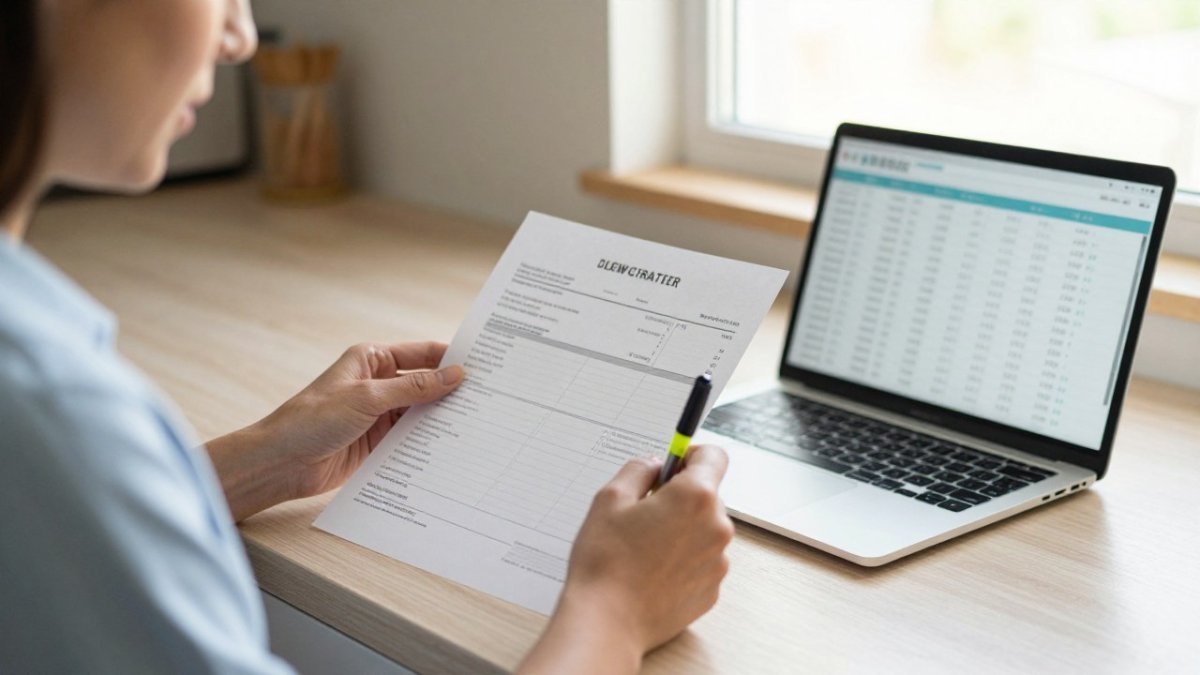
Mark every questionable line. That list becomes your negotiation tool, and it is also the basis for a written dispute.
How to Dispute a Hospital Bill in Writing
To dispute a hospital bill after a car accident, send a written dispute to the billing department that names each charge you question and asks for correction.
Follow these steps:
- Write down each disputed charge, the billing code, and the reason you believe it is wrong
- Request the medical records and itemized statements that support those charges
- Send the dispute by certified mail or a tracked portal message
- Ask for a written response within a set time, such as 30 days
- Escalate to a supervisor if you get no answer
Your letter should include your name, account number, date of service, a numbered list of disputed charges, and a clear request: correct the bill or provide documentation supporting each charge.
Watch out: paying a disputed charge, even a small one, can be treated as accepting the bill, so resolve the dispute in writing before you send any money toward the questioned lines.
How to Dispute a Hospital Bill After a Car Accident
To dispute a hospital bill after a car accident, send a written dispute to the billing department that names each charge you question and asks for correction. Do it in writing, keep a copy, and note the date you sent it.
A phone call alone leaves no record. A letter does.
Follow these steps:
- Write down each disputed charge and the reason
- Request the medical records that support those charges
- Send the dispute by certified mail or a tracked portal message
- Ask for a written response within a set time
- Escalate to a supervisor if you get no answer
Keep every letter, email, and payment record. If the claim later goes to a personal injury attorney, that paper trail matters.
What to Say: A Short Negotiation Script
Use this script on your first call with the billing department:
"Hello, my name is [name] and my account number is [number]. I was in a car crash and I'm reviewing my bill. I found [number] charges I believe are incorrect, and I'd like to dispute them in writing. Can you tell me the name and direct line of the person who handles disputes, and confirm the mailing address for a written dispute?"
Then ask these questions:
- "Is this your lowest self-pay rate?"
- "Do you offer a prompt-pay discount if I pay today?"
- "Can you place a temporary hold on the account while my injury claim is pending?"
- "Who do I contact about financial assistance or charity care?"
Write down every name and answer. A calm, organized caller gets better results than an angry one.
Step 3: Ask for Self-Pay and Prompt-Pay Discounts
Hospitals bill insurance at a contractual rate, which can differ from the amount they accept from patients who pay cash. Ask for the self-pay discount and the prompt-pay discount before you pay anything.
These two discounts can stack. A hospital may reduce the balance for a self-pay patient, then cut it further for fast payment.
Also ask about:
- Financial assistance programs based on income
- Charity care for patients who qualify
- A negotiated rate closer to what insurers pay
- Removal of charges for services you dispute
Get any agreed discount in writing before you send a payment. A verbal promise from a billing rep is not a contract.
Setting Up a Car Accident Medical Bill Payment Plan
A car accident medical bill payment plan lets you pay a balance in monthly installments instead of one lump sum. Ask the billing department for one in writing, with the amount, due date, and length of the plan spelled out.
Many providers are willing to discuss a payment plan. Ask about one.
A workable plan looks like this:
- A monthly amount you can actually afford
- No interest, or a low fixed rate
- A written agreement you keep
- A clause that pauses payments while your claim is pending
Watch out: missing a plan payment can void the agreement and send the full balance to collections. Set a reminder and pay on time, every time.
Do I Have to Pay Medical Bills Out of My Settlement?
Yes, in most cases you do. Settlement proceeds often repay the medical providers who treated you, either through liens or through subrogation by your health insurer. The remaining money covers lost wages, pain and suffering, and other losses.
That does not mean you pay every bill at full price. You can still negotiate the balance before the settlement closes.
Liens, Subrogation, and Written Settlement Terms
A medical lien is a provider's legal claim on your settlement for unpaid treatment. Subrogation is your health insurer's right to be repaid from your recovery. Both reduce what lands in your pocket.
Protect yourself with these steps:
- Get every lien and subrogation claim in writing
- Ask each provider to reduce the lien amount
- Confirm the final numbers before you sign a release
- Make sure the settlement terms list who gets paid and how much
Never sign a settlement release until you know exactly which bills it clears. A signed release can end your right to dispute a charge later.
When to Consult a Personal Injury Attorney
Consult an attorney when the bills are large, the fault is disputed, or an insurer is pressuring you to settle fast. A lawyer can negotiate liens, challenge unreasonable charges, and protect your claim resolution from start to finish.
For a plain-language look at the role, read what auto injury lawyers do. If you're ready to choose counsel, our guide on what to look for in a reliable personal injury attorney covers the questions to ask and the fee terms to check.
Mamanne Law handles these cases directly, with no upfront legal fees and support in both English and Spanish. Benjamin Mamanne works each claim personally.
Request a Free Consultation With Mamanne Law
You do not have to face a hospital billing department alone. Mamanne Law offers a free consultation so you can understand your options before you sign anything.
Before you call, review what to expect from a free consultation so you arrive prepared with the right questions.
Our firm provides direct, attorney-led guidance from start to finish. If you're unsure who should pay after a crash that wasn't your fault, our guide on what to do after a car accident that was not your fault walks through the full playbook, and our California car accident claims guide explains how compensation and settlement money are handled.
The bills will keep arriving whether or not you're ready. The sooner you act, the more options you have. Get started with Mamanne Law and get a clear read on your claim before you pay another dollar.
Frequently Asked Questions
What percentage should I offer to settle medical debt?
There is no universal percentage, and any figure depends on the provider, the amount, and whether the bill is already discounted. A common starting point is to ask the hospital billing department for its self-pay or prompt-pay discount first, then negotiate from that reduced number. Put your offer in writing, reference the itemized bill, and ask for the agreed amount in writing before you pay. If a provider lien or pending settlement is involved, talk to an attorney before agreeing to any figure.
Can I negotiate hospital bills while my car accident claim is pending?
Yes. You can negotiate hospital bills after a car crash while the injury claim is still open. Ask the hospital billing department to hold the account, confirm the request in writing, and request an itemized bill so you can check for billing errors. Many providers will pause collection activity when they know a liability claim is active. Keep copies of every letter and note the date, time, and name of each person you speak with.
Do I have to pay medical bills out of my settlement?
Often yes, at least in part. Settlement proceeds frequently cover medical expenses tied to the crash, and providers or health insurers may assert a medical lien or subrogation right. Before you sign a release, ask for the settlement terms in writing and confirm which bills are being paid and which liens are being resolved. An attorney can review the numbers so you know what you actually keep.
How do I check whether a hospital bill after a crash is accurate?
Request a fully itemized bill, not just a summary, and compare each charge against the treatment you received. Look for duplicate charges, services you never got, and upcoded emergency room visits. Ask the billing department to explain any charge you do not recognize and to correct errors in writing. If the bill is large or the charges look unreasonable, a personal injury attorney can request the medical records and review them alongside the bill.